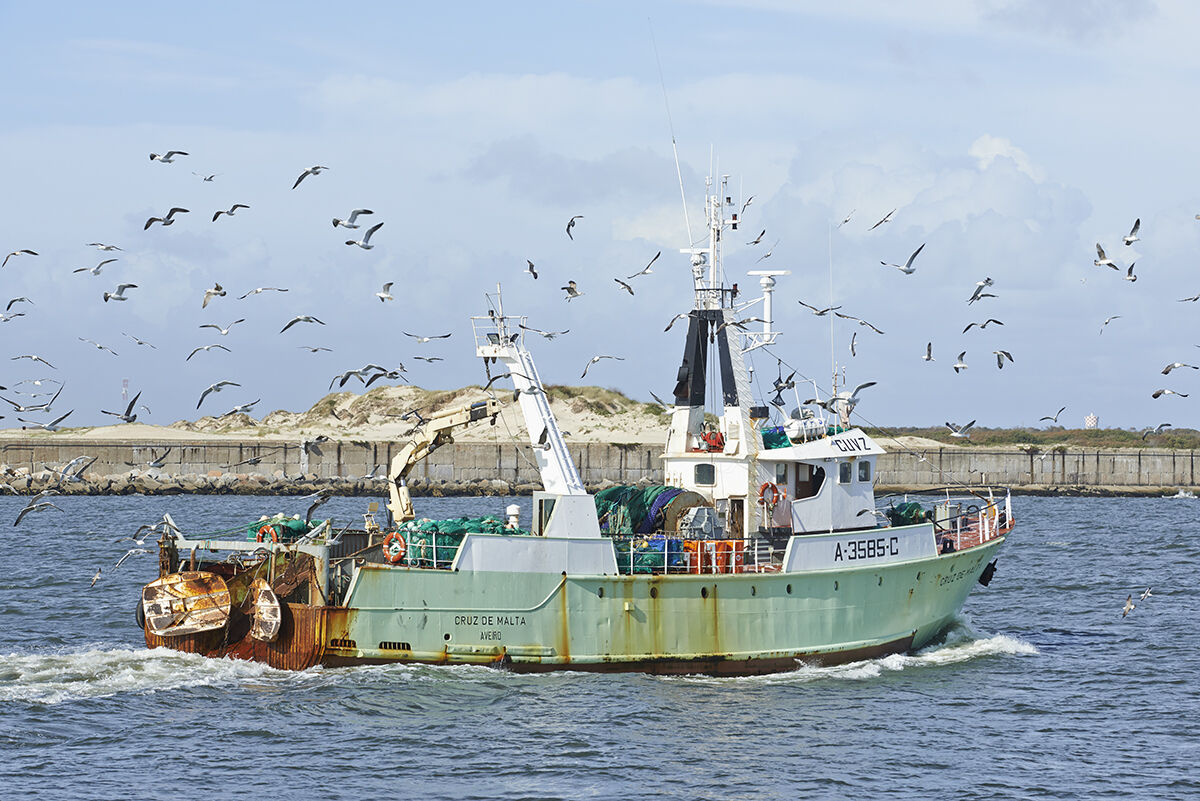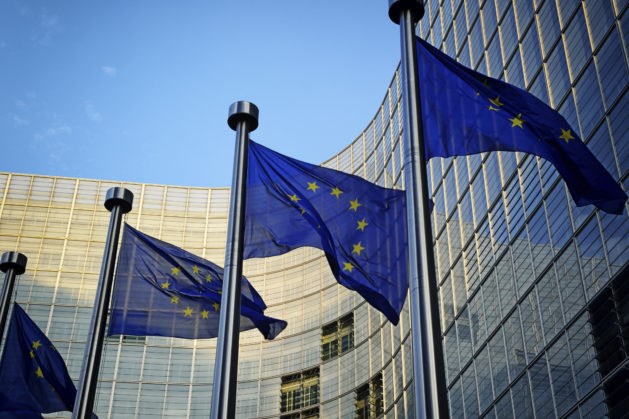
Europêche calls for a comprehensive EU seafood strategy, greater policy coherence and concrete legislative action at the second high-level meeting of the European Ocean Board.
Europêche welcomed the progress presented by the European Commission and its commitment to following up on the proposal to establish dedicated project teams, providing a solid foundation for the next phase of the Ocean Board’s work.
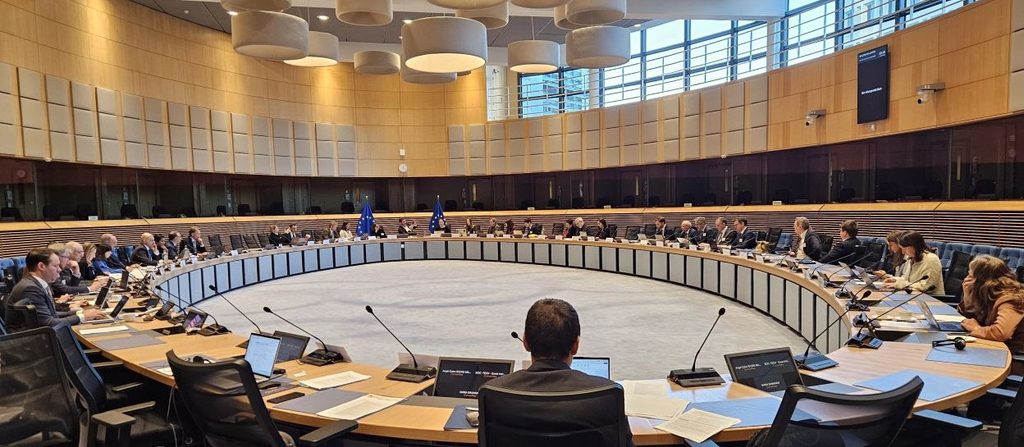
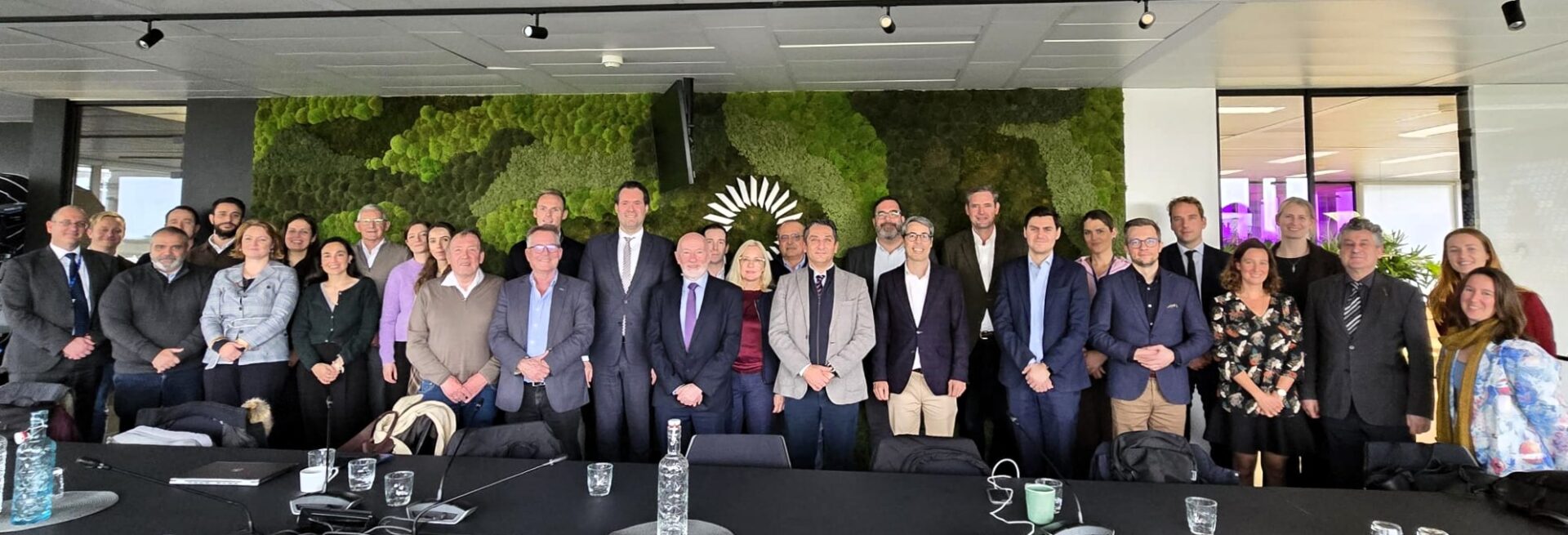
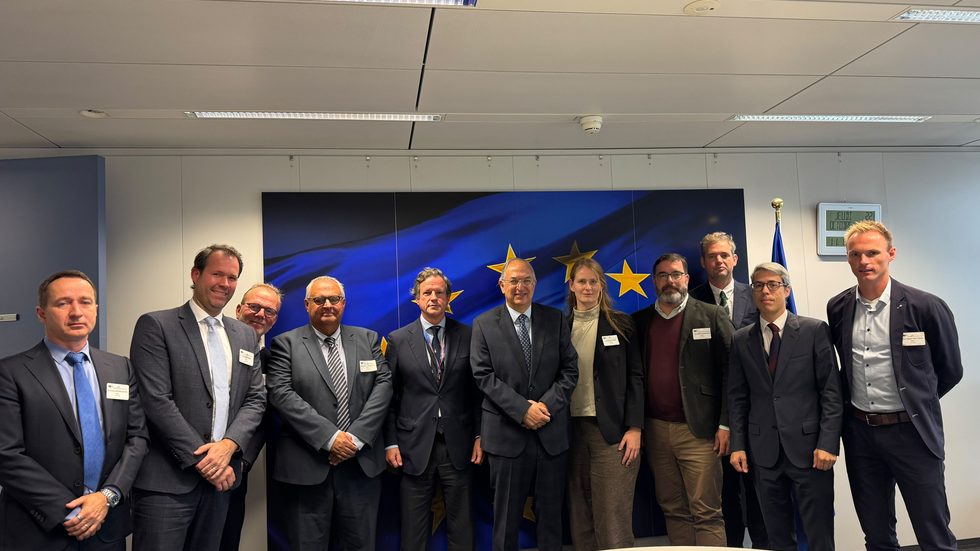
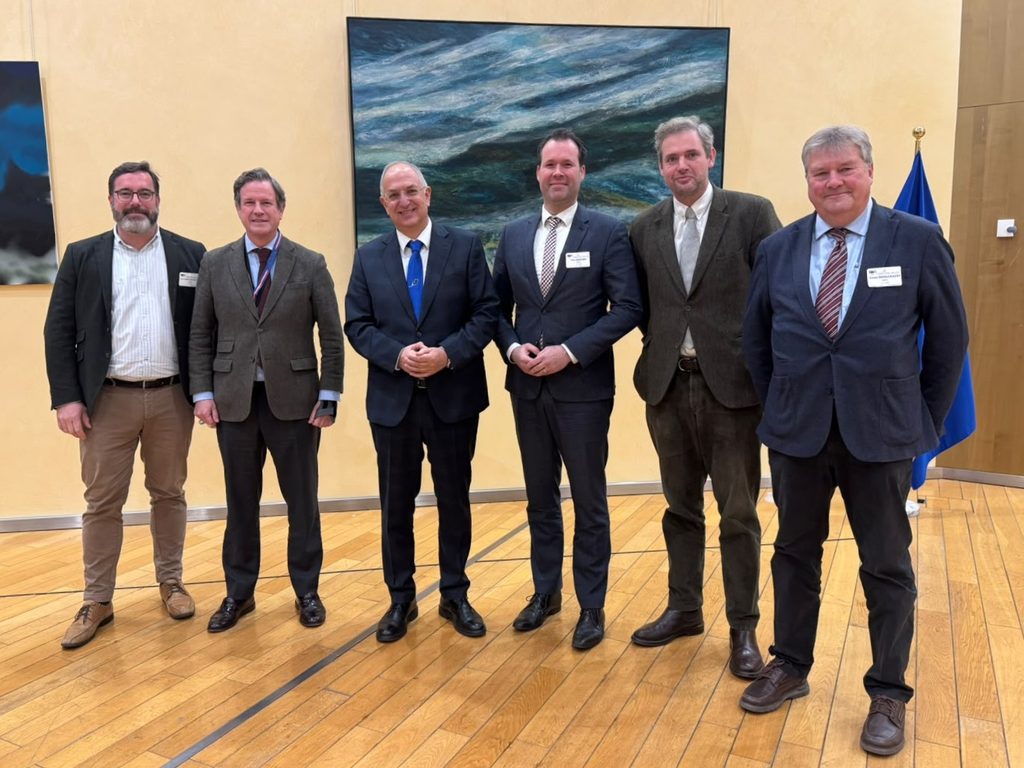
Europêche participated today in the second high-level meeting of the European Ocean Board, alongside Commissioner for Fisheries and Oceans Costas Kadis and representatives from maritime industries, science and civil society. Discussions focused on the implementation of the European Ocean Pact, the forthcoming European Ocean Act and the strategic priorities for EU ocean policy.
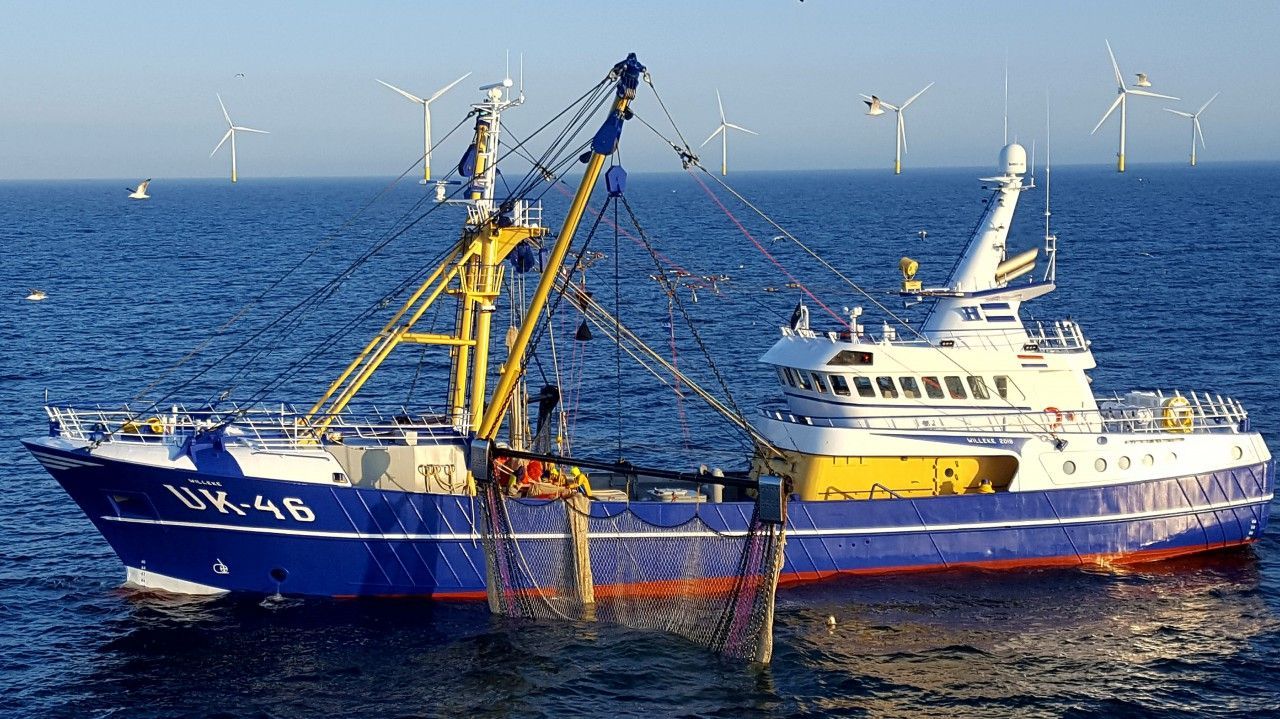
Represented by its Vice-President, Tim Heddema, Europêche highlighted the need for the Ocean Board to bridge the gap between political ambitions, scientific advice and operational realities at sea, while improving coherence across EU policies. Europêche stressed that fishing businesses are increasingly confronted with overlapping restrictions arising from fisheries management, marine conservation, offshore renewable energy development, maritime spatial planning and additional administrative obligations. While these measures may appear proportionate when assessed individually, their cumulative impact are undermining the economic viability of European fisheries.
Against a backdrop of growing geopolitical instability, declining domestic seafood production and increasing import dependency, Europêche considers that the EU urgently needs a comprehensive EU seafood strategy that boosts sustainable European production, promotes consumption and recognises aquatic proteins as an indispensable component of EU food and protein policies.
For Europêche, Europe’s ability to feed itself is fundamental to its security, resilience and geopolitical influence. At a time when the EU is investing heavily in defence and reducing strategic dependencies, strengthening its own food-producing capacity must be equally strategic. A strong European fishing sector is not only an economic or environmental asset, it is a pillar of Europe’s sovereignty.
In this context, Europêche maintains its call for a targeted revision of the Common Fisheries Policy (CFP) to restore competitiveness, remove regulatory barriers and encourage fleet investment. The forthcoming European Ocean Act must also address the growing spatial squeeze on fisheries, safeguard access to traditional fishing grounds for all fleet segments and recognise fishing as a legitimate and strategic use of marine space, promoting positive coexistence between maritime activities.
Regarding the Ocean Board’s future work, Europêche proposals include an action-oriented approach, stronger coordination across Commission departments and targeted cross-sectoral working groups delivering concrete policy recommendations, while complementing existing structures such as the Fisheries Advisory Councils.
The association further called for the Ocean Pact Dashboard to reflect all three pillars of sustainability, including indicators on seafood production, consumption, self-sufficiency, fish stock status in line with CFP objectives, fleet competitiveness, employment, spatial displacement, emissions, administrative burden reduction and marine ecosystem health.
Heddema concluded: ‘The success of the Ocean Pact must not be measured by the number of strategies published or policy actions undertaken, but by the tangible results delivered for the sector: increased seafood production, stronger and more competitive fishing businesses, thriving coastal communities and reduced dependence on imports. The Ocean Board must be a catalyst for change, turning political ambitions into real improvements for Europe’s fishing sector.’
ENDS
Daniel Voces, Managing Director of Europêche, +32 489 26 81 07, daniel.voces@europeche.org