Europêche and EBFA urge EU fisheries ministers to reject further reductions in fishing days, recognise the recovery efforts made by the sector and safeguard the future of Mediterranean fishing communities.
Brussels, 22 November 2026
Europêche and the European Bottom Fishing Alliance (EBFA) express their profound disappointment over the European Commission’s latest non-paper on fishing opportunities for 2027 in the Western Mediterranean, which envisages substantial reductions in fishing activity despite years of unprecedented sacrifices by the industry and encouraging signs of stock recovery.
Ahead of the Agriculture and Fisheries Council on Monday, 23 November, Europêche and EBFA warn that the proposed restrictions could be the final nail in the coffin for Mediterranean fishing businesses, threatening thousands of jobs[1], the survival of coastal communities and Europe’s seafood production.
Under the Commission’s proposal, Mediterranean trawlers would face further reductions in fishing opportunities, with cuts that could reach up to 32% Even with additional conservation measures, fishing opportunities would remain below current levels.
Recovery should be rewarded, not penalised
The STECF confirms that no assessed stock is below the critical biomass limit (Blim). This encouraging progress is the fruit of years of sacrifice: reduction in fishing days, investments in more selective gear, and area closures. Imposing further cuts discourage fishers who have complied with strict conservation measures and contributed to stock recovery.
The entire mixed fishery in the Western Mediterranean is affected by the status of Norway lobster in GSAs 6 and 11, which accounts for only a very small proportion of overall catches yet determines fishing opportunities for entire fleets targeting dozens of commercially important species.
These shortcomings have also been recognised by the European Parliament’s Fisheries Committee in its recent own-initiative report on the Western Mediterranean Multiannual Plan. The report calls for an urgent revision of the plan towards a more adaptive approach to mixed-fisheries management and recognises that successive cuts have pushed many vessels below their profitability thresholds.
Thousands of jobs and family businesses at stake
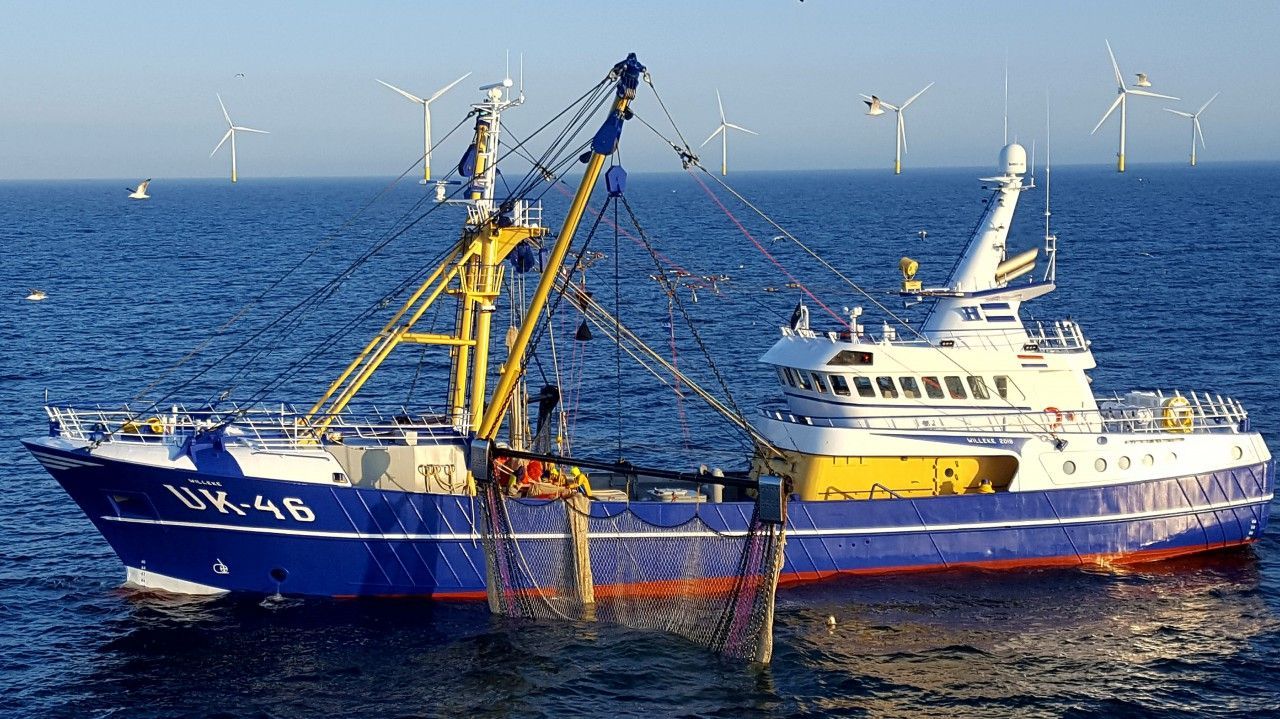
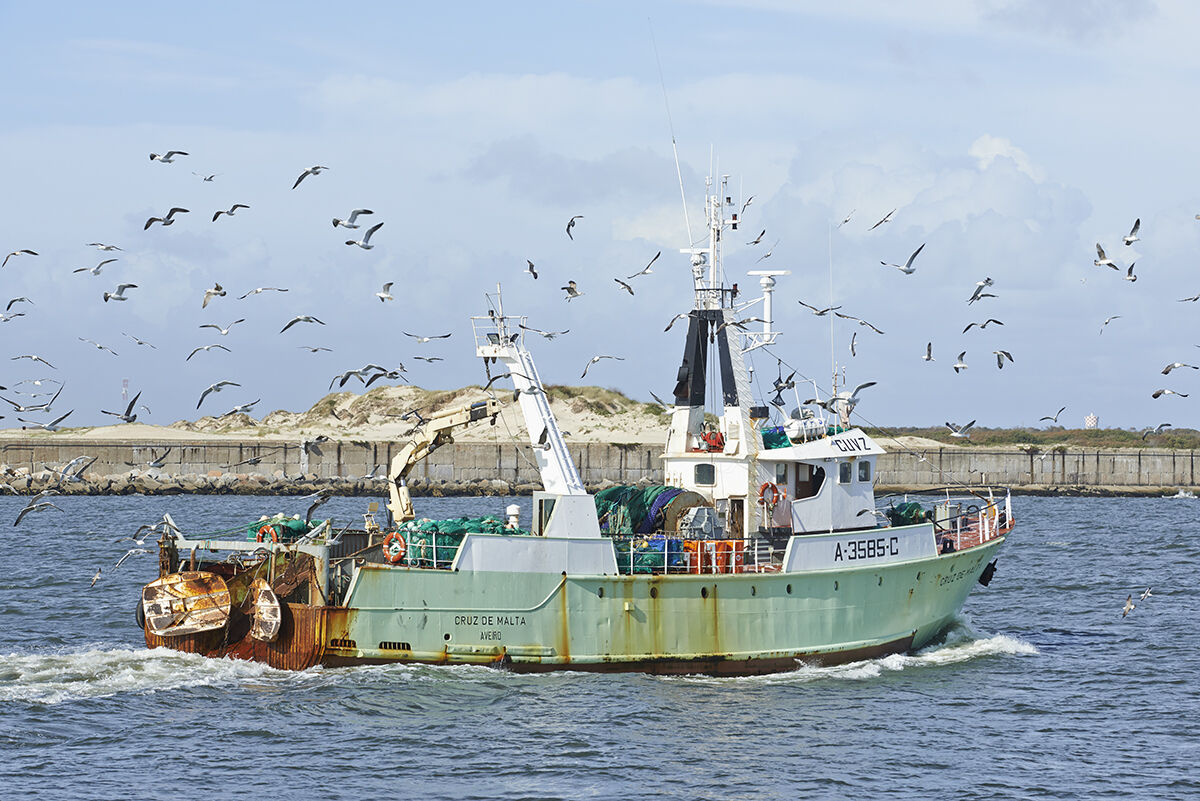
According to recent Commission figures, approximately 1,100 demersal trawlers were operating in the Western Mediterranean in 2023, landing around 55,000 tonnes of seafood. Over the previous decade, this fleet had already declined by 18% in number of vessels. Further restrictions will only accelerate the disappearance of family-owned fishing businesses, undermining coastal economies and increasing Europe’s dependence on seafood imports.
Javier Garat, President of Europêche, stated: ‘Since the Western Mediterranean management plan entered into force in 2019, fishers have already endured an average 40% reduction in fishing activity, making enormous sacrifices to secure the recovery of fish stocks. They have invested in more selective and innovative fishing gear and made enormous sacrifices to rebuild fish stocks. Now that the results are becoming visible, the Commission responds with further cuts. This is a management system that punishes fishers instead of rewarding recovery. Fishers need at least 180 fishing days a year to make a decent living, not another year of declining opportunities. Sustainable fisheries cannot simply mean less fishing activity. Without economically viable fishing businesses and thriving coastal communities, there is no genuine sustainability.”
The EU must ensure viable fishing opportunities for 2027
Europêche and EBFA call on the Commission and Member States to:
- Maintain at least the fishing days allocated in 2026, rejecting further reductions that would jeopardise the survival of fishing businesses, and work towards a minimum of 180 fishing days per year to ensure economic viability.
- Urgently revise the Western Mediterranean Multiannual Plan, replacing the rigid most-vulnerable-stock approach with an adaptive mixed-fisheries management system that recognises stock recovery and fully integrates the economic and social objectives of the Common Fisheries Policy. This should include reviewing and removing disproportionate catch restrictions on red shrimp and hake.
- Ensure that any additional restrictions are accompanied by adequate compensation, including support under the European Maritime, Fisheries and Aquaculture Fund (EMFAF), temporary cessation measures and income support for affected fishers and businesses.
- Require a comprehensive socioeconomic impact assessment before adopting further restrictions, taking into account their cumulative effects on employment, business viability and generational renewal in the fishing sector.
- Guarantee that environmental sustainability goes hand in hand with economic and social sustainability, safeguarding fair incomes, decent working conditions and viable livelihoods for fishers, in line with the principles promoted by the FAO and ILO.
ENDS
Daniel Voces, Managing Director of Europêche, +32 489 26 81 07, daniel.voces@europeche.org
Margot Angibaud, Secretary of EBFA, +32 494 19 03 96 info@bottomfishingalliance.eu
[1] Approximately 24,000 full-time equivalent (FTE) jobs in demersal fisheries, plus approximately 12,500 ancillary jobs in coastal communities. European Commission, Impact Assessment – SWD(2018) 60 final, page 21.