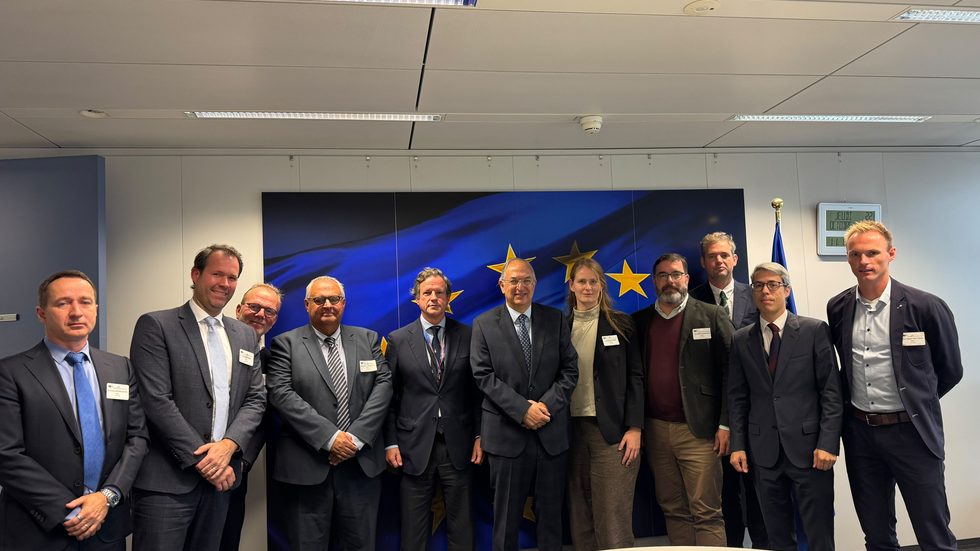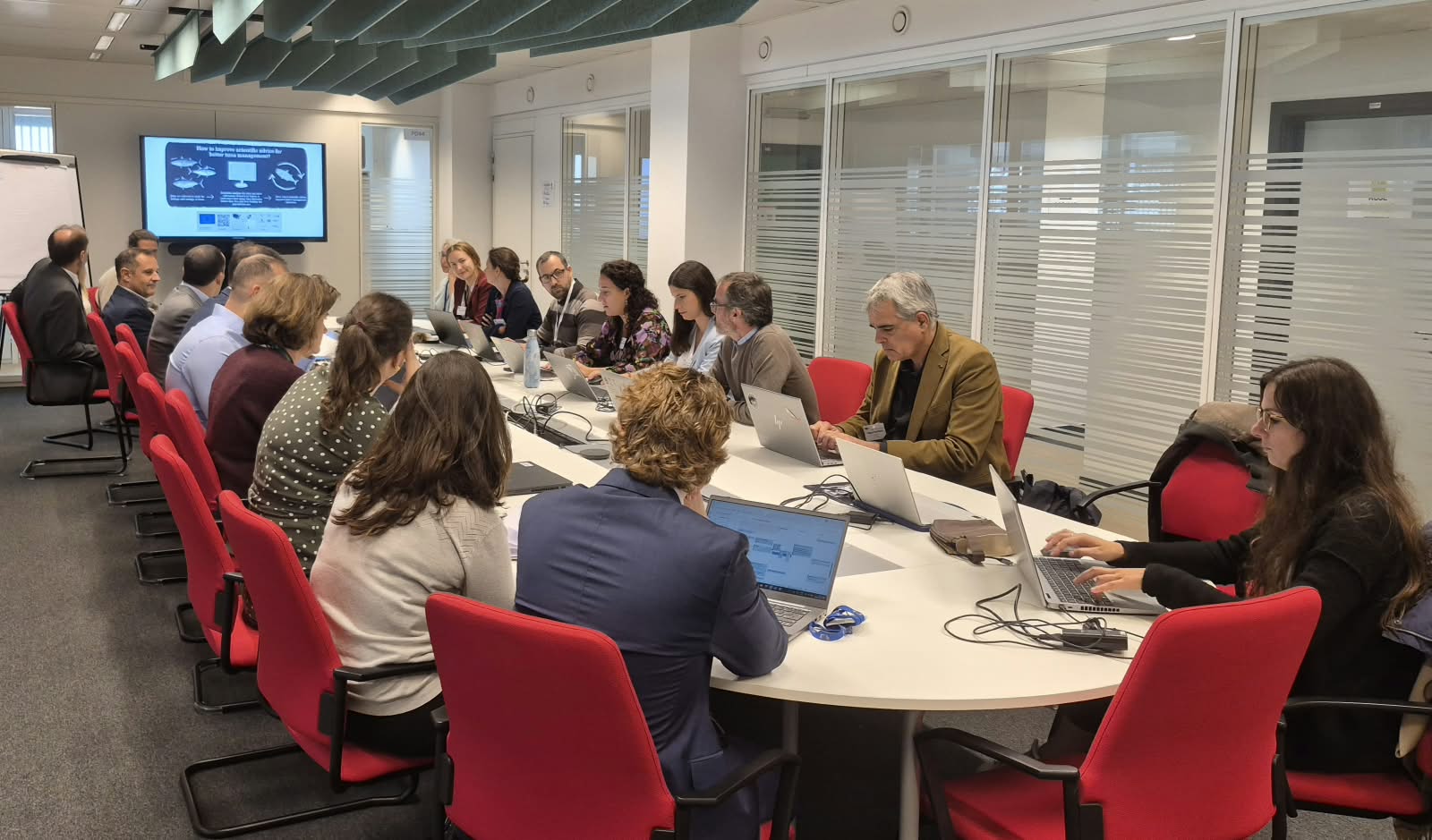
Last week, Europêche participated in the Implementation Dialogue on the stress test of the Birds and Habitats Directives, chaired by European Commissioner Jessika Roswall. The dialogue aimed to identify opportunities to simplify the EU’s nature protection framework, improve its implementation and strengthen legal certainty without compromising ambitious conservation objectives.
Recognising the importance of healthy ecosystems, Europêche urged the Commission to seize this opportunity to deliver a simpler, more coherent and science-based approach to marine conservation, highlighting three priorities:
Align EU laws and avoid conflicting measures: The Marine Strategy Framework Directive should serve as the reference for implementing the Nature Directives and the Nature Restoration Regulation. Europêche proposed merging the Nature Directives, simplifying derogation procedures and focusing on the population level instead of the individual one where scientific evidence demonstrate a risk. This framework must also be coherent and respect fisheries legislation, avoiding duplication and conflicting objectives or measures, particularly with the goals of the Common Fisheries Policy.
Science-based Marine Protected Areas (MPAs): Marine Protected Areas are conservation tools, not objectives in themselves, Europêche said. Authorities should assess each site’s conservation goals and pressures from all activities before choosing the most effective, and balanced in term of socio-economic costs, measures. They should then evaluate whether those measures are effective.
The association warned against the growing litigation seeking automatic bottom-trawling bans. Blanket prohibitions clearly bypass site-specific scientific assessments, displace fishing activities, with counterproductive environmental[1] and socio-economic consequences, including a loss of engagement and trust from fishers.
Recognise fisheries’ contribution to conservation: More than 200 marine Other Effective Area-Based Conservation Measures (OECMs) have been reported globally, but none relate to EU waters. Although the Convention on Biological Diversity (CBD) recognises OECMs as a key contributor to biodiversity conservation, the EU has so far focused primarily on MPAs. The association therefore urges the EU to establish a process for identifying OECMs, accelerate their recognition and acknowledge existing fisheries management measures that contribute to marine biodiversity protection beyond MPAs.
Margot Angibaud, Senior Policy Advisor of Europêche, stated:
“EU fisheries are among the most heavily regulated in the world, yet their contribution to marine conservation remains largely unrecognised. The EU should lead by example and accelerate the recognition of effective fisheries management measures as OECMs. Instead of systematically banning fishing activities, we should focus on delivering measurable conservation benefits. Blanket prohibitions just jeopardise fishers’ livelihoods and undermine Europe’s seafood sovereignty without necessarily improving environmental outcomes.“
Commissioner Roswall indicated that the stress test should be concluded by the end of 2026. Europêche urged the Commission to seize this opportunity to ensure coherent, proportionate and effective environmental legislation through the merger and targeted revision of the Birds and Habitats Directives, maintaining the EU’s credibility in international ocean governance, including under the BBNJ Agreement.
[1] van der Reiden et al, 2026, Evaluating the efficacy of closing the current European network of marine protected areas to mobile bottom-contacting fishing gears
ENDS
Press Contact
Daniel Voces – Managing Director of Europêche
Tel: +32 489 26 81 07
Email: daniel.voces@europeche.org