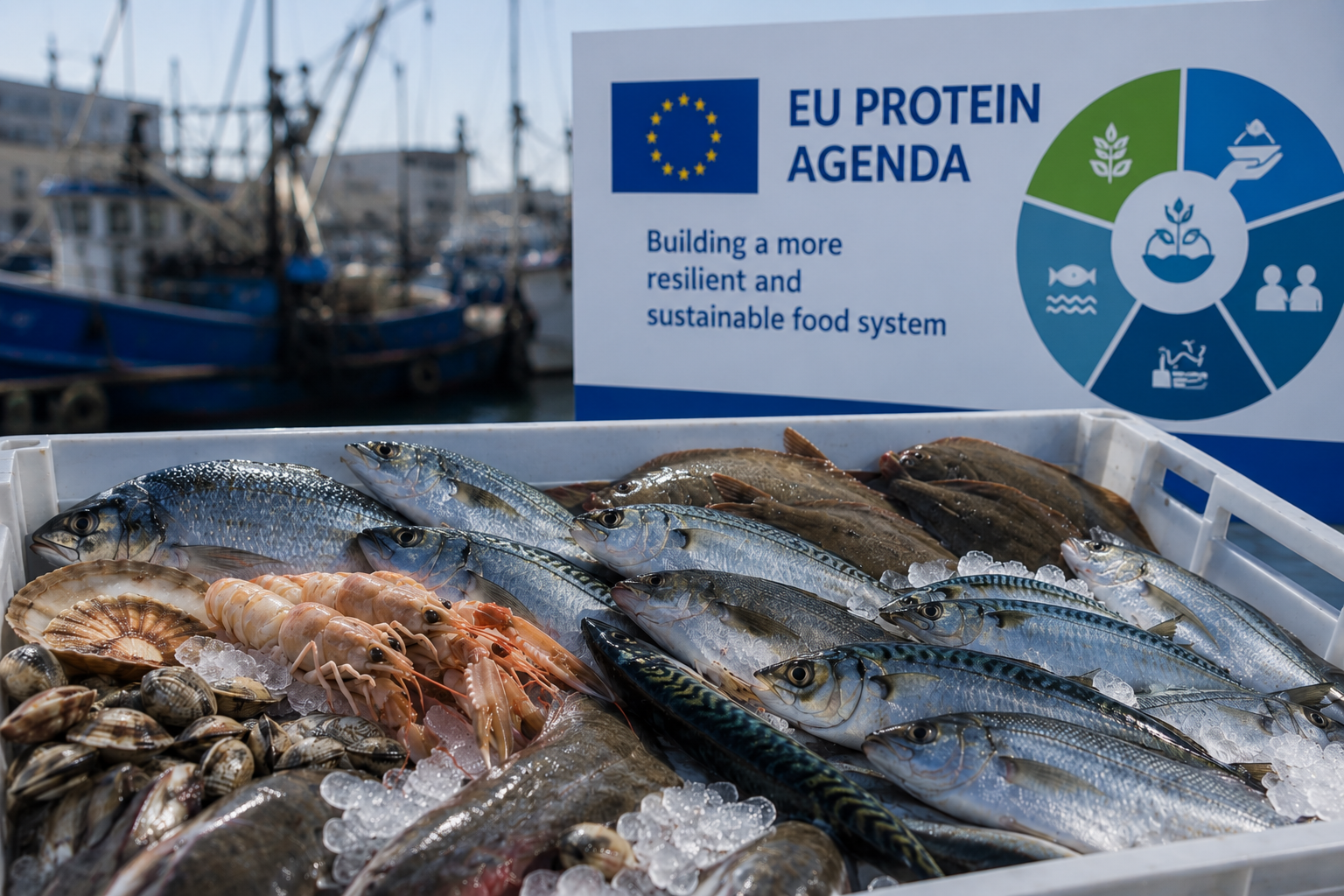
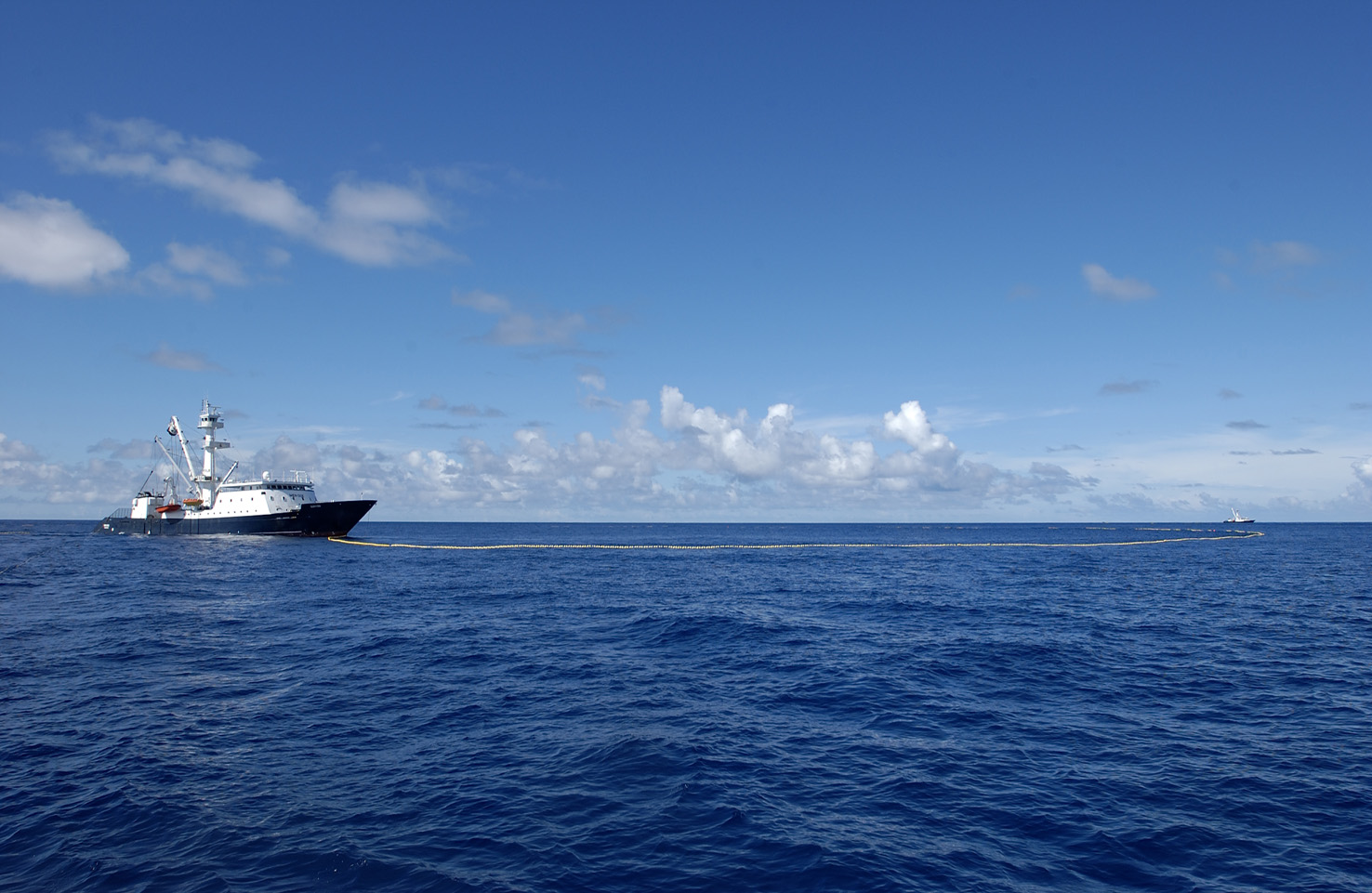
The European tuna fleet is missing from EU trade impact assessments
Europêche’s review of Sustainability Impact Assessments (SIAs) for major tuna-related EU trade negotiations shows three recurring gaps.
- For Indonesia and the Philippines, the quantitative model’s “fishing” sector is explicitly limited to live, fresh and chilled seafood, while frozen and processed fish are absorbed into a broad “processed foods” category. The Indonesia SIA therefore warns that the model “might not accurately depict the expected changes in the fisheries sector”; the Philippines SIA adds that more than 80% of Philippine tuna exports are canned or frozen and that the exact impact on processed fish “cannot be estimated by the model”.[1]
- For Malaysia and Mexico, there is no dedicated assessment of tuna or of the EU tuna fleet in the in-depth sectoral work.[2]
- The 2026 Thailand draft SIA goes further: it estimates Thai tuna-based exports to the EU could rise by 39% in the conservative scenario and 94% in the ambitious scenario, identifies possible pressure on Azorean processors and the local fleet, and assumes that EU fleets could in principle supply additional raw tuna to Thailand, based on no data. Yet it still does not assess the EU long-distance tuna fleet as a distinct economic and social sector, or quantify effects on raw-fish prices, vessel revenues, employment or sourcing competition.[3]
Meanwhile, EU barometer’s import data already show rising volumes and falling prices
The data needed to examine those effects increasingly exist. The European Commission’s new Import Barometer is specifically designed to identify sustained import increases at decreasing prices.[4] In the first 2026 release, the tuna lines highlighted by Europêche already show this pattern:
- frozen tuna fillets imports rose 22% year-on-year while unit value fell 7%;
- prepared or preserved yellowfin in oil imports rose 16% while unit value fell 15%;
- frozen yellowfin for industrial manufacture imports rose 27% while unit value fell 22%;
- and tuna loins rose imports 37% while unit value fell 6%.[5]
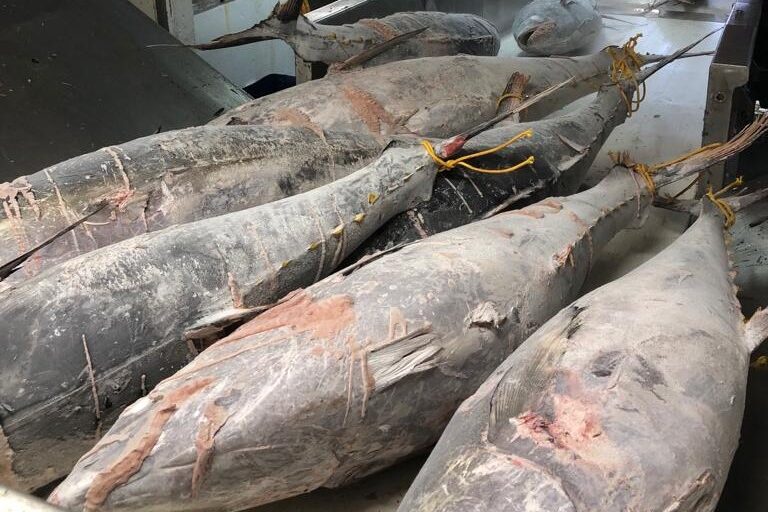
These are not abstract categories: loins and fillets are directly relevant to the market in which European tuna operators sell and compete.
“The Commission now has a tool designed to flag sustained increases in imports that lead to sharp falls in prices. In tuna, it is already seeing exactly that – including loins and frozen fillets, the products that directly shape the market in which our vessels sell. Yet the long-distance fleet itself is not assessed as a distinct economic actor. What place does the Commission give to its own fishing fleet when evaluating these trade concessions? None, as they ignore our fleet” said Xavier Leduc, President of the Europêche Tuna Group.
Serious labour and food-safety concerns do not stop new tariff concessions
By contrast, the SIAs do examine serious labour, human-rights and sanitary risks in partner-country fisheries. The Indonesia SIA states that “concerns exist in the fisheries sector about poor working conditions and the use of forced labour” and separately notes that Indonesian producers “may not always be able to comply with EU food safety standards”.1 The Thailand draft SIA reports that fish and shrimp appear on the US list of goods produced with forced labour and that Thai and migrant workers are particularly exploited in commercial fishing and related industries.5
These findings sit alongside expanding preferential access for tuna. The EU-Indonesia CEPA provides a 5,000-tonne duty-free bilateral quota for tuna loins, while the modernised EU-Mexico agreement provides 6,000 tonnes annually during its first three years before further liberalisation; the Thailand SIA itself identifies tuna-based products among the EU’s “sensitive” imports.5;[6]
“Apparently, documented labour and food-safety concerns do not prevent the EU from granting new duty-free access to tuna loins and fillets from Indonesia and Mexico. At the same time, the Commission’s own Thailand SIA calls tuna-based products ‘sensitive’. It is difficult to understand why that sensitivity does not trigger any dedicated assessment of the impact on the European long-distance tuna fleet,” said Anne-France Mattlet, Director of the Europêche Tuna Group.
[1] https://policy.trade.ec.europa.eu/analysis-and-assessment/sustainability-impact-assessments_en : EU-Indonesia SIA, Final Report (2019), fisheries section, pp. 183–186 and executive summary; EU-Philippines SIA, Final Report (2019), fisheries section, pp. 179–181.
[2] EU-Malaysia SIA, Final Report (2019), CGE sector aggregation and in-depth sector selection; EU-Mexico SIA, Final Report (2019), sectoral analysis and environmental fisheries assessment.
[3] https://euthailandsia.org/reports/ : EU-Thailand SIA, Draft Final Report (2026), pp. 41, 54–55, 73–74 and tuna case study
[4] European Commission, Import Barometer methodology and FAQs (2026), https://policy.trade.ec.europa.eu/enforcement-and-protection/trade-defence/import-barometer_en
[5] European Commission Import Barometer, 1st release 2026, extract supplied by Europêche; price/kg calculations added by Europêche.
[6] https://europeche.org/tuna-liberalisation-via-free-trade-agreements-and-atqs-how-much-duty-free-competition-can-the-european-fleet-absorb/
Ends
Press contacts:
Anne-France Mattlet, Europêche Tuna Group Director: +33 6 78 11 63 01 anne-france.mattlet@europeche.org