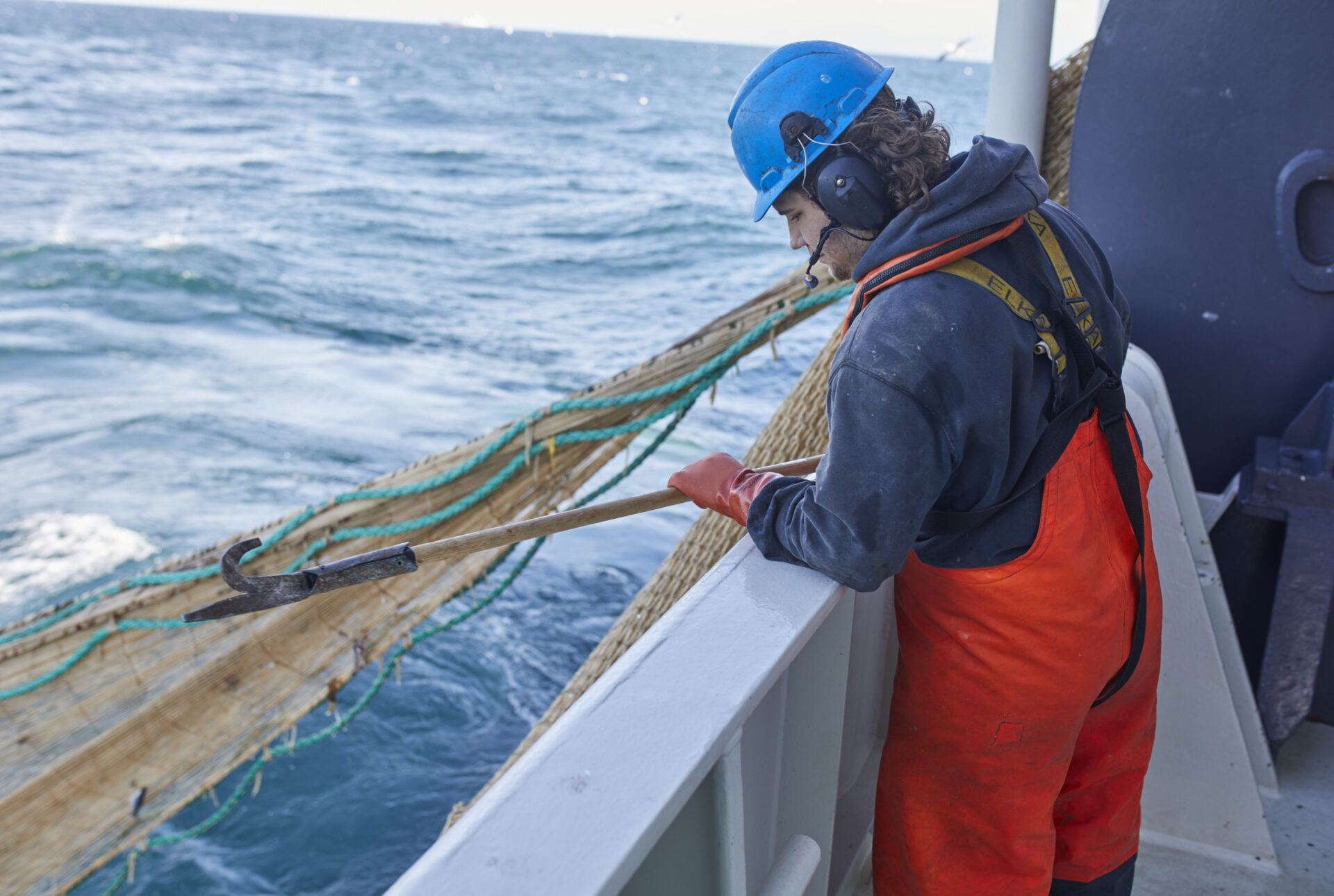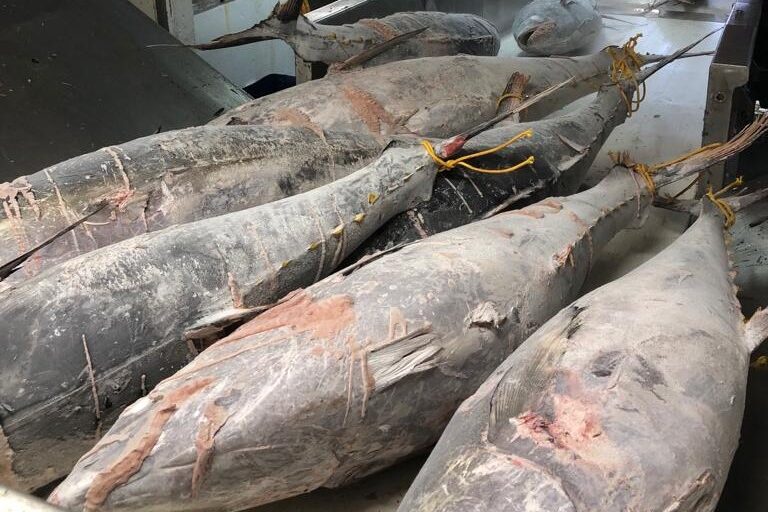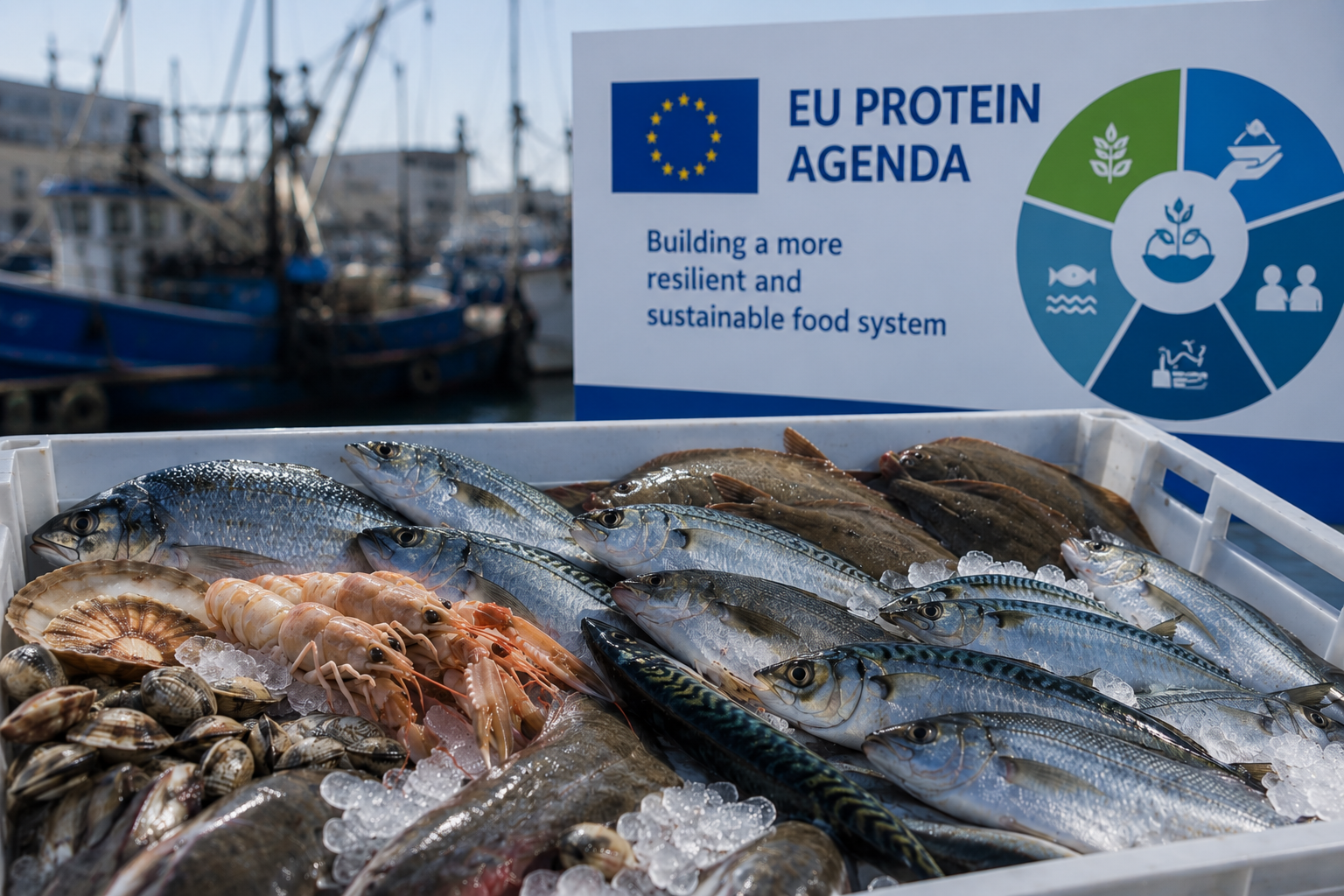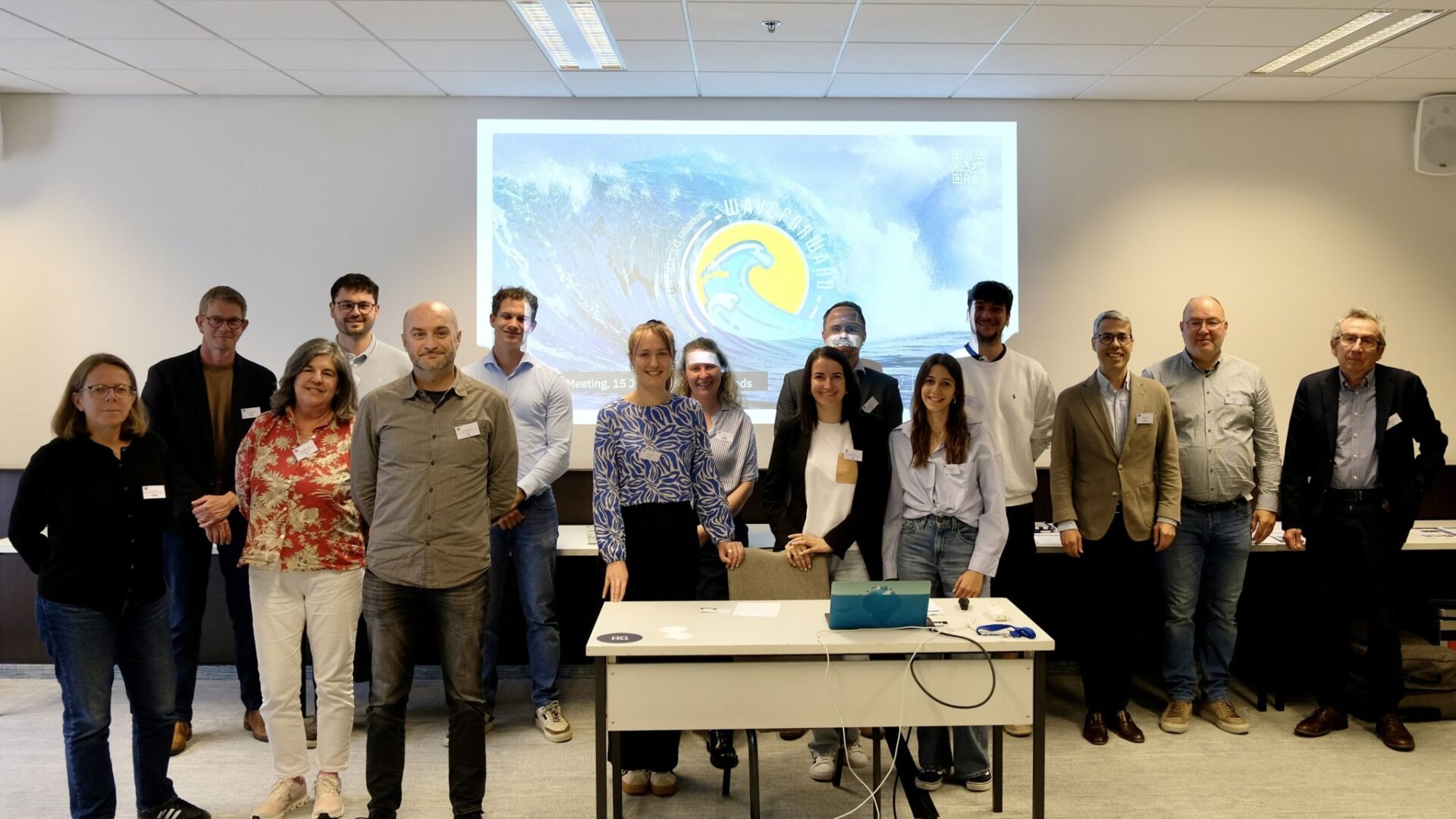
Europêche has presented its proposal for the revision of the Landing Obligation[1], as a contribution to the forthcoming targeted revision of the Common Fisheries Policy (CFP). The proposal has been transmitted to the European Commission and sets out the fishing sector’s priorities for making the policy more effective, proportionate and workable.
More than a decade after its introduction under the CFP, practical experience has shown that the Landing Obligation does not work effectively in all fisheries and circumstances. In complex mixed fisheries, unavoidable by-catches create choke situations[2], forcing vessels to stop fishing even when quota remains available for their main target species.
Technology and selectivity also have their limits. Even the most selective gears and advanced digital control systems cannot resolve every difficulty created by biological interactions and the complexity of the EU quota system. The objective remains clear: unwanted catches must be reduced and selectivity improved. However, the regulatory framework must also reflect operational realities at sea.
The need for reform is increasingly recognised at political level. The European Parliament has called for the CFP to evolve and for shortcomings in the implementation of the Landing Obligation to be addressed.
Javier Garat, President of Europêche, stated: “The Landing Obligation shows why targeted legislative changes are necessary. Despite sustained efforts by fishers, scientists and authorities, the framework remains unworkable in many fisheries. These shortcomings have too often resulted in an unfair portrayal of fishers and sanctions, overlooking the sector’s considerable efforts to make the policy work”.
He continued: ”The fishing sector is proactively developing science-based solutions to address the legal and operational shortcomings of the Landing Obligation. With this proposal, we want to drive the necessary legislative changes and help build a system that reduces unwanted catches while remaining proportionate, workable and effective at sea. We look forward to a constructive dialogue with the European Commission.”
Europêche’s approach seeks a framework that focuses requirements where they are most relevant and scientifically justified, better recognises fully documented fishing practices, provides greater flexibility to address mixed-fisheries and choke situations, and delivers simpler, more adaptive and proportionate rules.
ENDS
Press contact:
Daniel Voces, Managing Director of Europêche, +32 489268107, daniel.voces@europeche.org
[1] Regulated in Art.15 of the CFP, the Landing Obligation requires catches of regulated species to be recorded, retained on board and landed.
[2] A “choke situation” occurs when exhaustion of one species’ quota forces a mixed fishery to stop, despite quota remaining for other species.