The European Court of Auditors’ (ECA) has published this week a special report on Marine Protected Areas (MPAs). Europêche and the European Bottom Fisheries Alliance (EBFA) share its conclusion that MPA designation alone does not ensure effective conservation or automatically deliver environmental benefits for fishing communities. The organisations support the call for stronger ecological monitoring, socio-economic assessments and stakeholder involvement, but warn against overlooking existing fisheries conservation measures and generalising the impacts of fishing activities.
While the report emphasises the EU targets of 30% marine protection and 10% strict protection by 2030, it also recalls the need for site-specific conservation objectives and appropriate management measures, in line with the European Commission’s position. In this regard, the success of an MPA must be judged by measurable ecological outcomes, not its surface area or the activities it restricts.
Europêche and EBFA welcome the Court’s call to balance environmental protection with economic and social considerations. The audit identifies insufficient local data and inadequate monitoring of the effects of fisheries restrictions. Its account of bottom-trawling closures in Swedish coastal MPAs is particularly balanced. It evidences the gaps in its socio-economic assessment without presuming environmental success or failure.
The organisations also endorse ECA’s call for adaptive management, supported by the European Commission in its response to the special report. Consequently, conservation measures must be monitored, reviewed and adjusted when they do not work. The sector advocates shifting from ‘close and compensate’ towards ‘innovate and mitigate impact’, supporting technological progress and proportionate, science-based measures.
However, the sector regrets ECA’s conclusion that since 2013 few conservation measures have been adopted. EU legislation such as the newly adopted fisheries control regulation, multiannual plans, technical measures and the deep-sea access regulation are just a few policy examples that have enhanced marine environmental an biodiversity protection. These efforts have been complemented in international adjacent waters by conservation and management measures adopted by Regional Fisheries Management Organisations (RFMOs). Therefore, areas without a formal MPA label are already subject to extensive conservation rules. These fisheries and spatial management measures should be properly acknowledged and assessed for their contribution to biodiversity conservation, including through recognition as Other Effective Area-based Conservation Measures (OECMs).
The Court rightly calls for meaningful local stakeholder involvement, yet its published account of consultations does not identify any representative of fishing organisations. Europêche and EBFA regret this omission: fishers could have explained existing safeguards, practical challenges, innovations and the trade-offs involved in designing credible conservation measures.
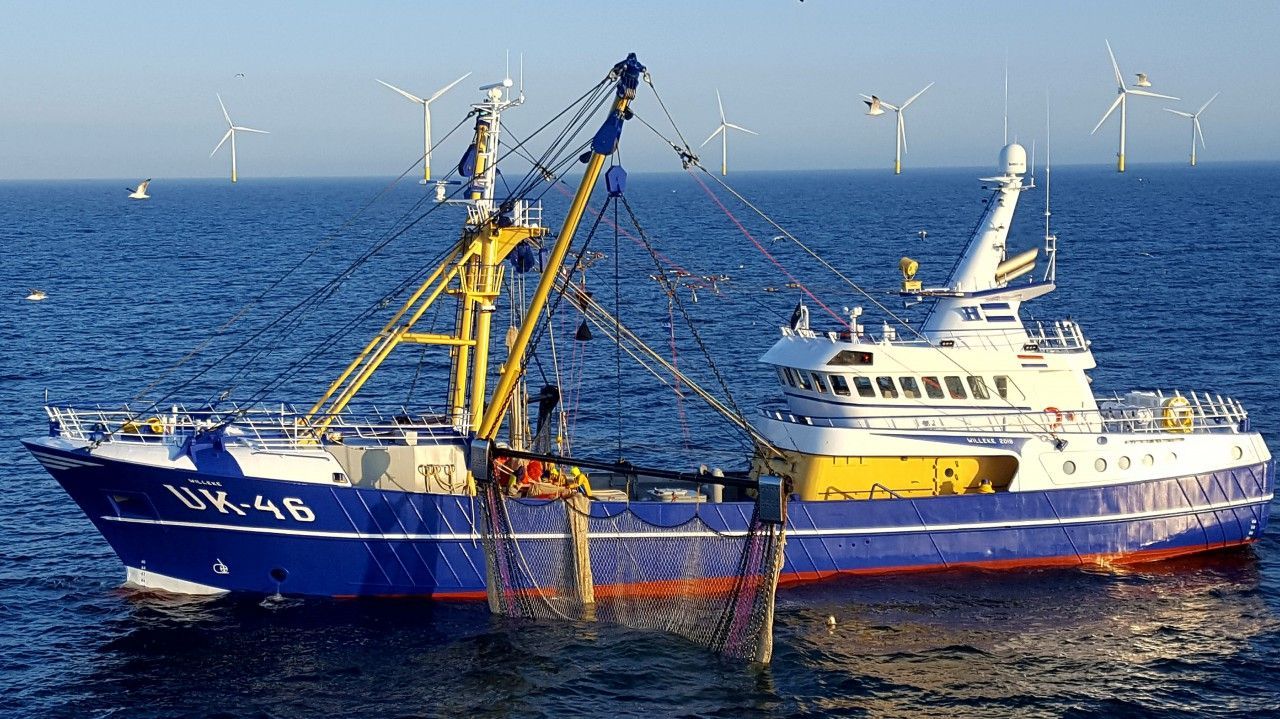
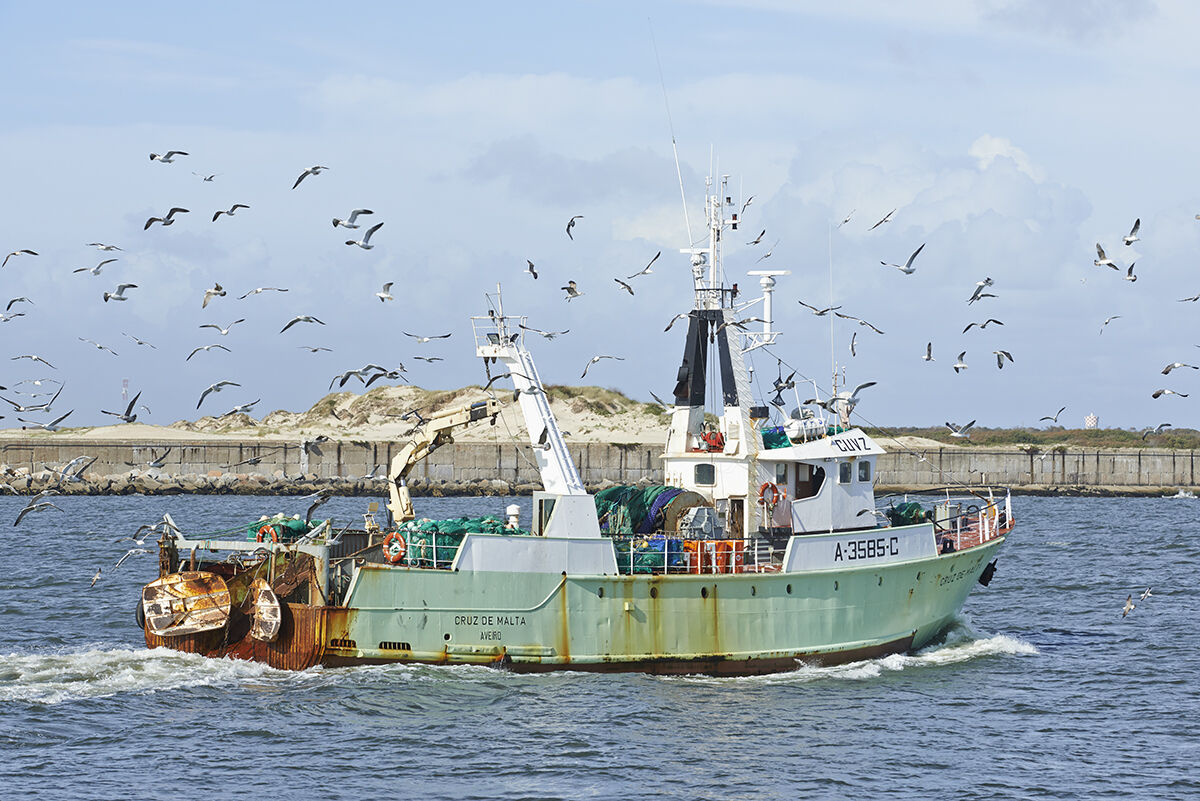
This missing perspective is apparent in a passage describing bottom trawling as a destructive technique, citing broad discard figures and referring immediately afterwards to global illegal, unreported and unregulated fishing. Such unfair characterization overlooks decades of progress in bottom-fisheries management, innovative fishing gears, increased selectivity and the protection of vulnerable habitats. Scientific evidence shows that bottom fishing can coexist with healthy marine ecosystems when appropriately managed. According to both organisations, ECA’s report should be grounded in scientific evidence and demonstrated environmental impacts, rather than preconceived assumptions or prejudices about particular fishing methods.
Similarly, the Court reports that apparent fishing effort is 1.72 times higher within marine Natura 2000 sites than outside them. The sector argues that this comparison is fundamentally misleading. Many Natura 2000 sites were designated in historically productive fishing grounds, precisely because these areas support valuable marine habitats and biodiversity. Comparing fishing activity in these areas with vast, less-fished offshore waters, without accounting for their different characteristics, provides little meaningful information about conservation effectiveness. More importantly, fishing effort is not equivalent to ecological damage. The presence of regulated bottom-contact fishing within an MPA does not demonstrate incompatibility with the site’s conservation objectives. These questions require sound, site-specific scientific assessments.
Iván López, chair of EBFA, stated:‘Ambitious targets should not erase the progress already made: protecting 30% of EU seas means around 1.5 million km². Rather than painting an exclusively negative picture, we should recognise efforts, learn from mistakes and continue our progress. MPAs must be planned with fishers and other users alongside transparent environmental, social and economic assessments revealing the corresponding trade-offs. Trust depends on credible assessments but also on measurable results. Fishers have decades of practical knowledge. The objective must be to identify the most effective conservation measures while allowing sustainable economic activities to continue wherever they are compatible with those objectives.’
Marine conservation cannot be reduced to restrictions on fishing. As the Court and the Commission recognise, marine ecosystems face pressures from pollution, climate change, transport, offshore energy, tourism, agriculture and industry. These must be assessed with comparable scientific rigor rather than focusing disproportionately on the sector for which data are most readily available.
Europêche and EBFA call for conservation policies that assess all relevant pressures, build on existing protections, invest in innovation and involve fishers. The goal is healthier seas alongside viable, sustainable and resilient fishing communities.
ENDS
Press contact
Margot Angibaud, EBFA Director and Europêche Senior Policy Officer
Tel: +32 494 19 03 96 Email: margot.angibaud@europeche.org
Reference: ECA Special Report 25/2026, Marine protected areas: Designation alone is insufficient for meaningful protection. https://www.eca.europa.eu/en/publications/SR-2026-25