After four days of intense negotiations, which were extended for an additional day, the 166-member World Trade Organization (WTO) failed to achieve consensus on addressing subsidies that contribute to overfishing and overcapacity.
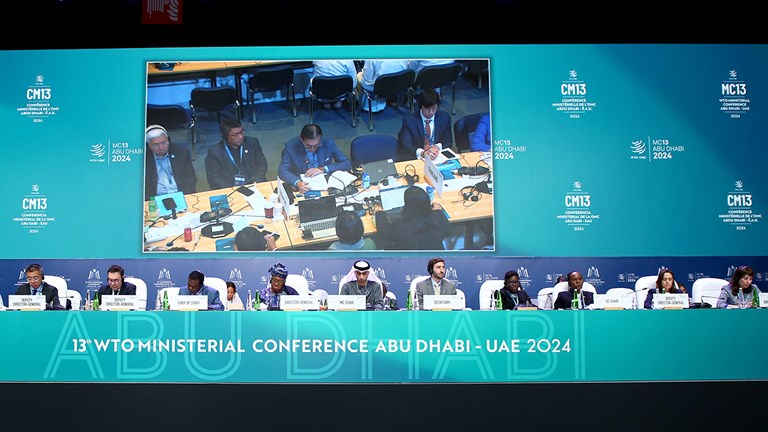
The lack of consensus was generated by countries like India, which already disrupted the WTO negotiations in 2017. Back then, India blocked everything, including a possible deal on eliminating subsidies that fuel illegal fishing. In 2022, it is worth noting that India rejected the WTO agreement aimed at addressing subsidies contributing to overcapacity and overfishing, the primary focus of this year’s negotiations.
Currently, the same country was seeking the adoption of a 25-year moratorium on subsidies granted by fishing nations to their long-distance fleets. Some South Pacific countries and Brazil sought to capitalize on the situation by also attempting to scrutinize the European Union’s fishing agreements with third countries, even though these partnership agreements cannot be classified as subsidies. These countries have employed this strategic approach to apply maximum pressure on developed fishing nations, aiming to obtain additional exemptions and derogations for their fleets. However, thanks to the EU’s robust defense, backed by its Member States and allied countries, their efforts ultimately proved unsuccessful.
Europêche recognizes the pivotal role played by both EU and national authorities in Abu Dhabi and actively promotes the pursuit of a deal as part of the EU fishing industry commitment to sustainably manage our oceans. However, the sector maintains that there is still room for improvement and advocates for greater clarity in the text to safeguard the interests of the European fishing sector. Our primary recommendations are as follows:
- Clarifying the text and explicitly exempt Sustainable Fisheries Agreements with Third Countries (SFPA) to prevent confusion and future issues.
- Introducing additional provisions, such as force majeure, to allow aid in cases of exceptional and unforeseen circumstances such as the Covid-19 pandemic or conflicts such as the war in Ukraine. Without such provisions, the EU may encounter challenges in implementing temporary aid frameworks to support fisheries during crises.
- Explicitly excluding tax exemptions for fishing fuel from the text to avoid ambiguity.
- Setting a minimum common denominator of subsidy scrutiny applicable to all nations, with possible enhanced levels of scrutiny on major fishing nations. Massive derogations to developing countries would not only fail to benefit the oceans but also disrupt a global level playing field.
- Establishing a common definition of artisanal fishing to avoid deceptive practices. In the present text, the definition and thresholds are left to the discretion of individual governments, and some developing countries may try to deceptively exclude their industrialized fleets, classifying them as artisanal.
Press contact:
Daniel Voces, Managing Director of Europêche: +32 489 26 81 07 | daniel.voces@europeche.org