According to University researchers all scenarios analysed since the adoption of the Regulation will undoubtedly lead to unbearable economic and job losses • Despite having a negligible impact on the seabed, it is the fleet most affected by the bottom fishing ban imposed by the Commission since 9 October 2022.
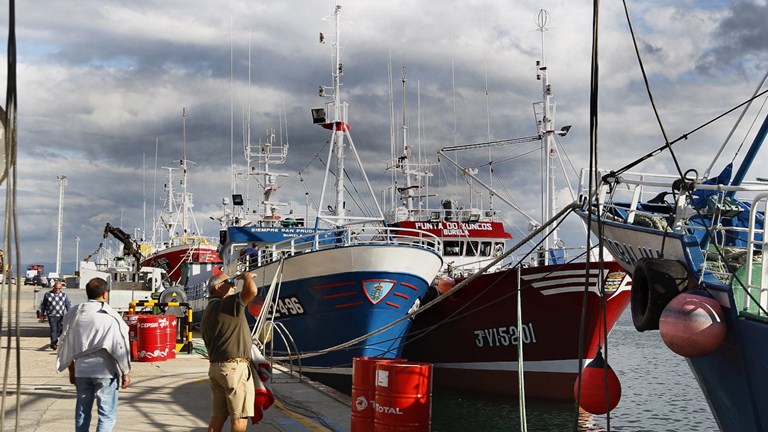
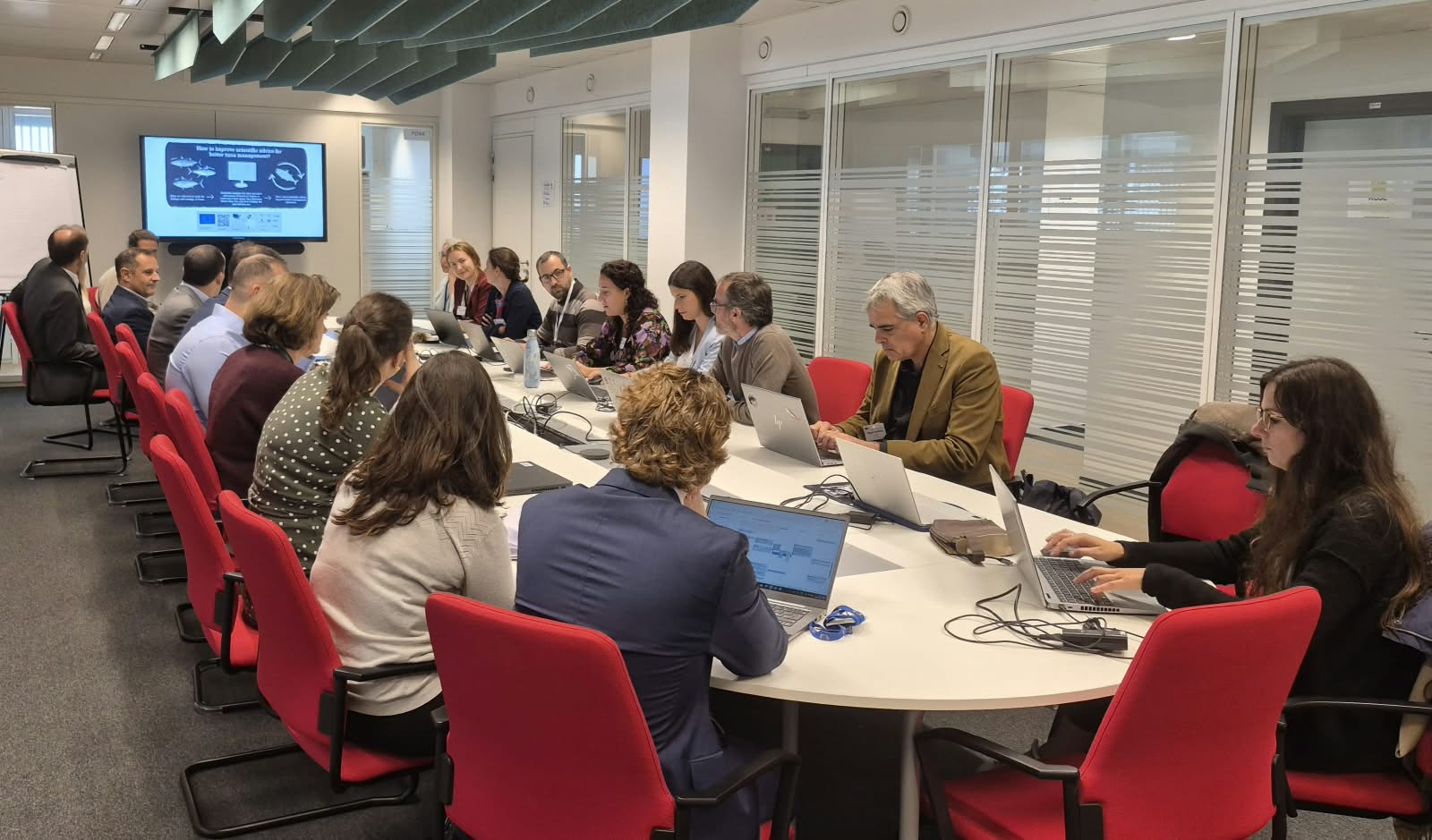
The Organization of Fisheries Producers of the Port of Burela and the University of Santiago de Compostela presented yesterday at the EU Sectoral Social Dialogue Committee for Sea Fisheries the devastating socio-economic impact of the EU Regulation that prohibits bottom fishing in 87 areas. The data collected by the University of Santiago de Compostela (USC), has been incorporated as a socio-economic argument in the appeal for annulment filed by the sector against this rule before the General Court of the EU in Luxembourg last December. The study demonstrates the disproportionality of the rule and the fact that the EU law was approved without the necessary socio-economic evaluation. The sector called on the Commission to rectify and to change the rule as a matter of urgency, without awaiting the judgment of the Court.
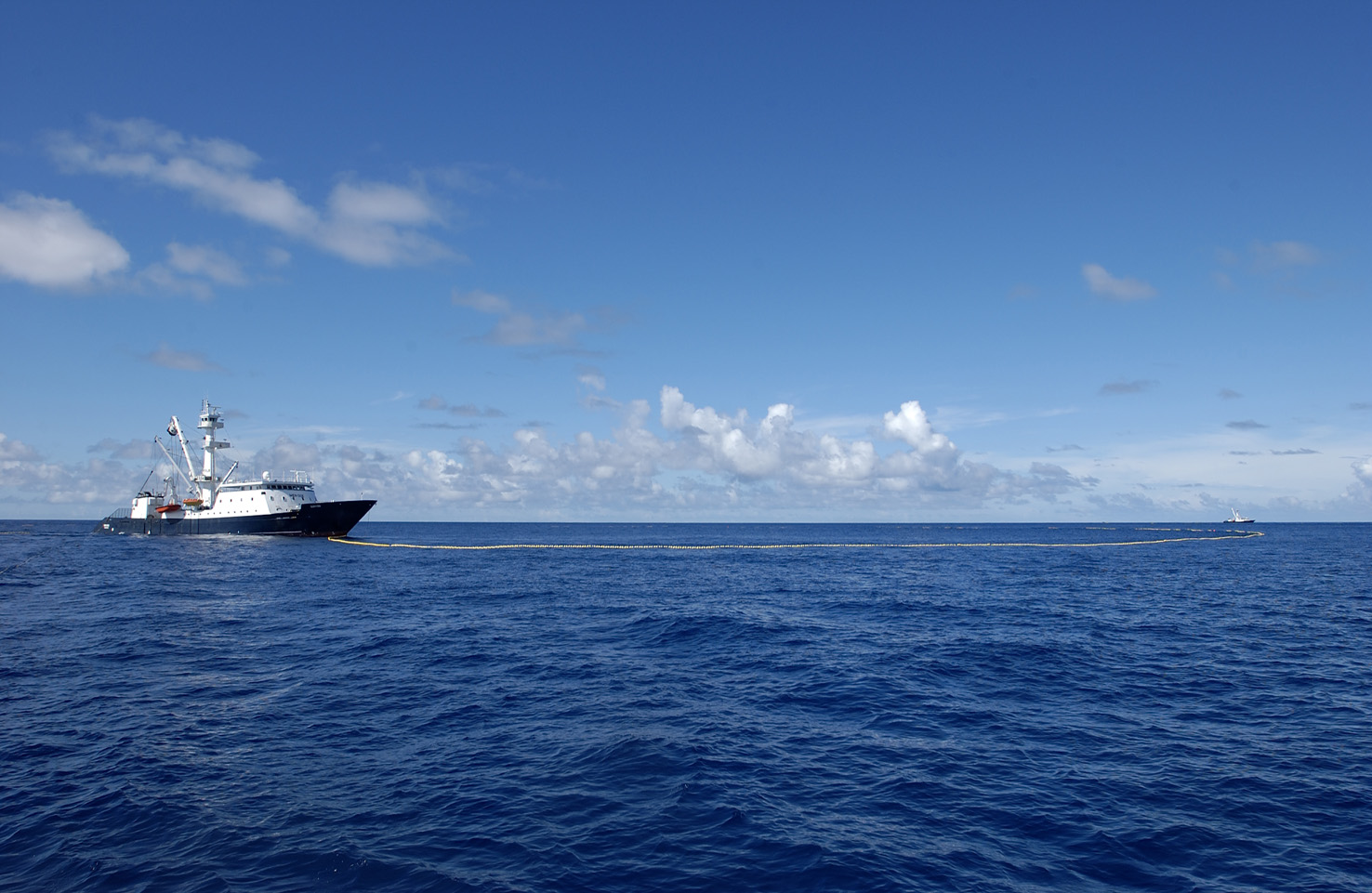
The EU longline fleet is mostly made of family-owned vessels (30m length) specialized in hook fishing (longline), a traditional gear that prioritizes quality over quantity. Despite its insignificant impact on the seabed, it has turned out to be the most affected gear by the EU implementing regulation banning bottom fishing in certain sea areas. The main reason lies in the fact that the general closure of areas has been adopted without taking into account the impact of each fishing gear on the seabed; an impact that this type of longline does not cause.
Professor Gonzalo Rodríguez, coordinator of the research group on fishing economics and natural resources at the USC, stated that “bottom longline fleets in European waters will not be viable with the general closures imposed in this implementing regulation”. In the University study, the socioeconomic impact was evaluated and quantified in three different scenarios (i.e. best, moderate and worst case) since the entry into force of the EU Law. The reduction in catches, the evolution of inflation and its cost structure were the main elements considered, which evidenced the serious direct and indirect impact of the rule.
Particularly, it is estimated that the direct impact of the application of the new Regulation can lead to a reduction of up to 27 million euros in global turnover, with annual losses of up to 150,000 euros per year per vessel, which will cause irreversible and structural damage to the future of this fleet.
Regarding its indirect impact, these losses of the longline fleet will cause a reduction in ancillary and supplier companies, which will also see their turnover reduced by up to 17.5 million euros, with inevitable consequences for coastal communities highly dependent on fishing.
Social Partners in the fisheries sector unanimously regretted the disconnection of the European Commission with the fisheries reality. Fishing representatives called on the Commission to maintain the continuous dialogue on this topic and to redress the problem as a matter of urgency without waiting for the court ruling. The sector concluded that since this regulation creates more problems than solutions, it should be rectified before its effects become irreversible.
Press contacts:
Daniel Voces, Europêche Managing Director (+32.2.230.48.48 or daniel.voces@europeche.org)
Andrea Albertazzi, ETF Fisheries Policy Officer (+32.470.93.05.89 or a.albertazzi@etf-europe.org)