Today, the Fisheries Council has reached an agreement on the fishing opportunities in the Atlantic, North Sea, the Mediterranean and Black Sea for 2021, and for deep-sea stocks for 2021 and 2022. The catch limits are set in the background of the uncertainty surrounding Brexit and the COVID-19, for which this and next year will be one of the most difficult periods for EU fishers. Despite the Council’s efforts to mitigate the predominantly austere proposal from the European Commission, the fishing industry is still left with several quota reductions and restrictive measures adopted concerning key species for the livelihoods of many fishermen and women in the sector.
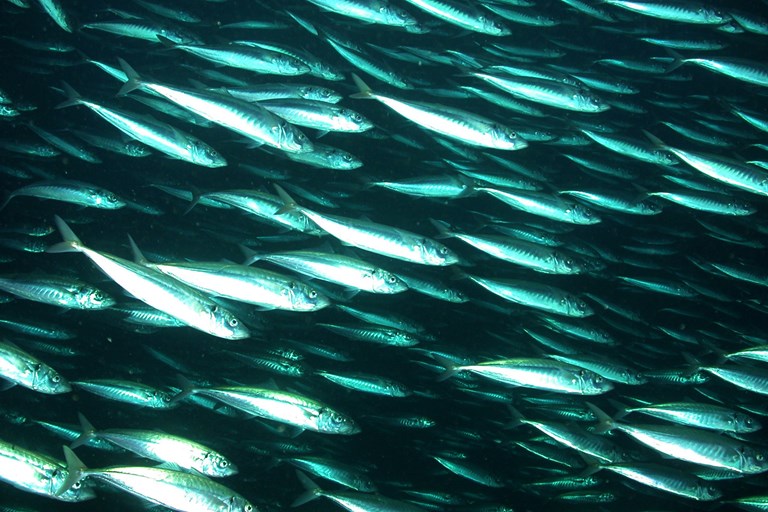
Regarding the Atlantic and North Sea, solely the total allowable catches (TACs) for fish stocks not shared with the United Kingdom could be set, pending the future agreement with the neighbouring country. Therefore, as a transition measure, the Council decided to proportionally roll over the existing 2020 TACs, set for more than 100 stocks for the first three months of 2021, by allowing a 25% quota consumption so that EU vessels can continue fishing. The EU pelagic fishing sector appreciates the adoption of a higher quota consumption percentage of 65% instead of 25% for key seasonal fisheries targeting species such as mackerel, blue whiting and horse mackerel. Unfortunately, this request was not granted to the demersal sector, leaving them with ill-fated situations especially for cod in the North Sea and gadoid (cod, haddock, saithe, etc.) in the Celtic Sea.
Furthermore, the sector will have to face reduced catch limits for, inter alia, plaice, Norway lobster, hake, sole, monkfish, pollack, and several deep-sea species, including roundnose grenadier, red bream, and black scabbardfish in different European sea basins.
“In this light”, as said by Daniel Voces, Managing Director of Europêche, “given all the uncertainties surrounding this difficult year and quota cuts, flexibility is much needed for fishers to face the crisis. The sector regrets that free-of-charge measures such as the possibility to carry over more than the existing 10% of fishing quotas to 2021[1] were not adopted, leaving the industry no option but to continue fishing even though the market demand and prices were very low. The sector needs now more than a political promise to possibly increase the 2021 TACs during next year for stocks with low quota uptake in 2020 for the resilience and livelihood of the sector”.
For the Mediterranean, the sector was hopeful for the negotiations to be finalised in a way that ensures favourable conditions and balance, given the already positive results of the recent management plans in place as proven by the latest evaluation of the FAO report State of Mediterranean and Black Sea Fisheries and the pandemic crisis faced by the sector. Nevertheless, the steady improvements were not deemed sufficient and the Council agreed for the Western Mediterranean to further limit the fishing effort with an additional 7.5% on top of the existing 10%. According to Europêche, it is essential not to forego the socio-economic viability of fishers when focusing on environmental sustainability. Europêche feels that the Council failed to reach this balance.
Daniel Voces concluded: “The sector can proudly state that even a larger number of fish stocks in 2021 will be fished at maximum sustainable yield (MSY), meaning that EU vessels are only catching the right amount of fish that would guarantee the regeneration of the stocks. We nevertheless regret the lack of a balanced approach from EU policy-makers in relation to the social and economic sustainability of the fleet, especially in light of the extraordinary pressures the sector is facing and unworkable policies such as the landing obligation.”
[1] As defined under the Flexibility Regulation or art 15(9) of the Basic Regulation.
Press contacts:
Rosalie Tukker, Policy Advisor of Europêche: +32 2 230 48 48 rosalie.tukker@europeche.org