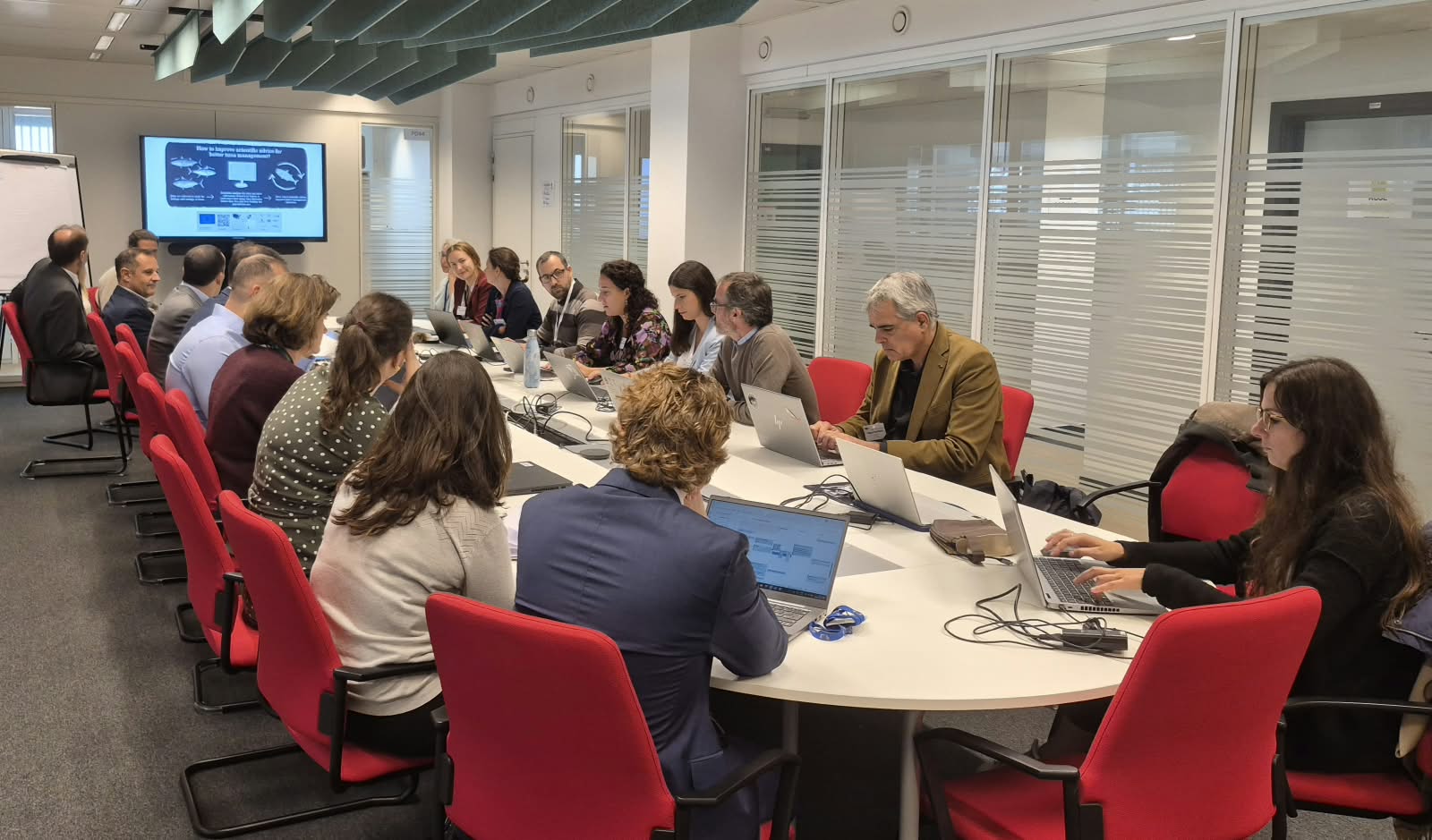
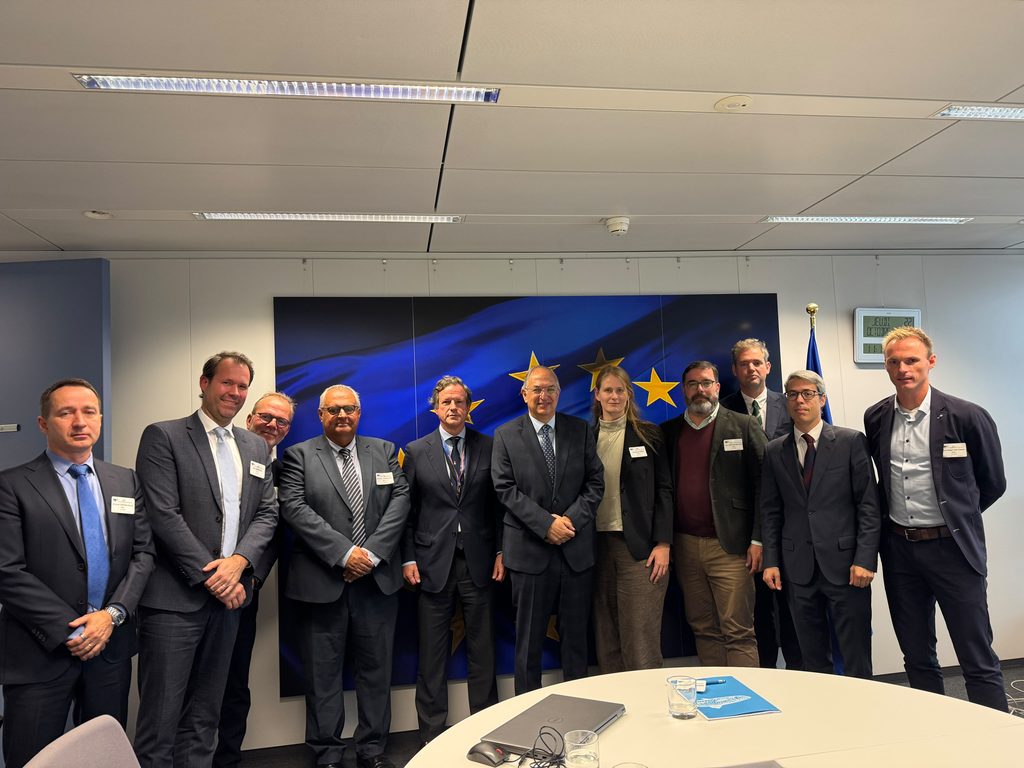
During its meeting with Commissioner for Fisheries and Oceans Costas Kadis, Europêche expressed its disappointment with the Vision for Fisheries 2040 and urged to include a targeted revision of the Common Fisheries Policy (CFP) in the 2027 Commission Work Programme. The association welcomed the Commissioner’s intention to work with the sector on practical measures for 2027–2028. However, the sector stressed that these measures must advance alongside legislative reforms.
Commissioner Kadis outlined ongoing work on solutions that could be delivered during the current mandate, including dedicated implementation dialogues with the sector. Europêche welcomed this engagement and the focus on delivering tangible results for fishing companies and fishers as soon as possible. However, the sector stressed that implementation measures cannot replace the long-overdue targeted policy reforms. In this regard, it remains unclear how challenges such as the landing obligation can be addressed within the constraints of the current CFP. The sector needs clarity on what the Commission intends to deliver before being asked to take part in further consultations.
On the CFP’s external dimension, Europêche said the strategy’s ambitions must be matched by practical action. It called for a revision of the SMEFF[1] Regulation, address dormant Fisheries Agreements with third countries and timely renewals of its protocols. It also urged the EU to speed up and simplify the incorporation of regional fisheries management organisation measures into EU law. Implementation of the BBNJ Agreement, Europêche stressed, must respect existing fisheries governance, while beneficial-ownership transparency requirements should apply globally rather than burden EU operators alone.
Europêche urged the Commissioner to use all available political weight to secure an extension of the EU–Mauritania Protocol by at least six months beyond its expiry on 14 November. With no alternative fishing grounds available to the fleet, continuity is essential while negotiations on a future agreement continue. Europêche also called on the Commission to revise the funding rules so operators can receive compensation if the Protocol is not renewed.
On the Coastal States negotiations, Europêche urged the EU to defend its established shares and use high-level diplomacy, trade and market measures to secure a fair, lasting agreement and prevent unilateral quotas from setting new precedents. It called for disputes over mackerel, blue whiting and Atlanto-Scandian herring (ASH) to be resolved, including the outstanding 5,000-tonne cod debt. Europêche also called for the EU’s full access to Norwegian waters for ASH to be restored or, if access is not restored, for the EU to be compensated for the access it has paid for.
On the Baltic, Europêche welcomed the recovery in several key stocks, such as central Baltic herring and sprat, disproving alarmist claims that portray the situation in the Baltic as a collapse. For 2027 fishing opportunities, the sector urged the Commission to follow ICES advice, and to reject extreme precautionary measures driven by perceptions or unsubstantiated calls rather than science.
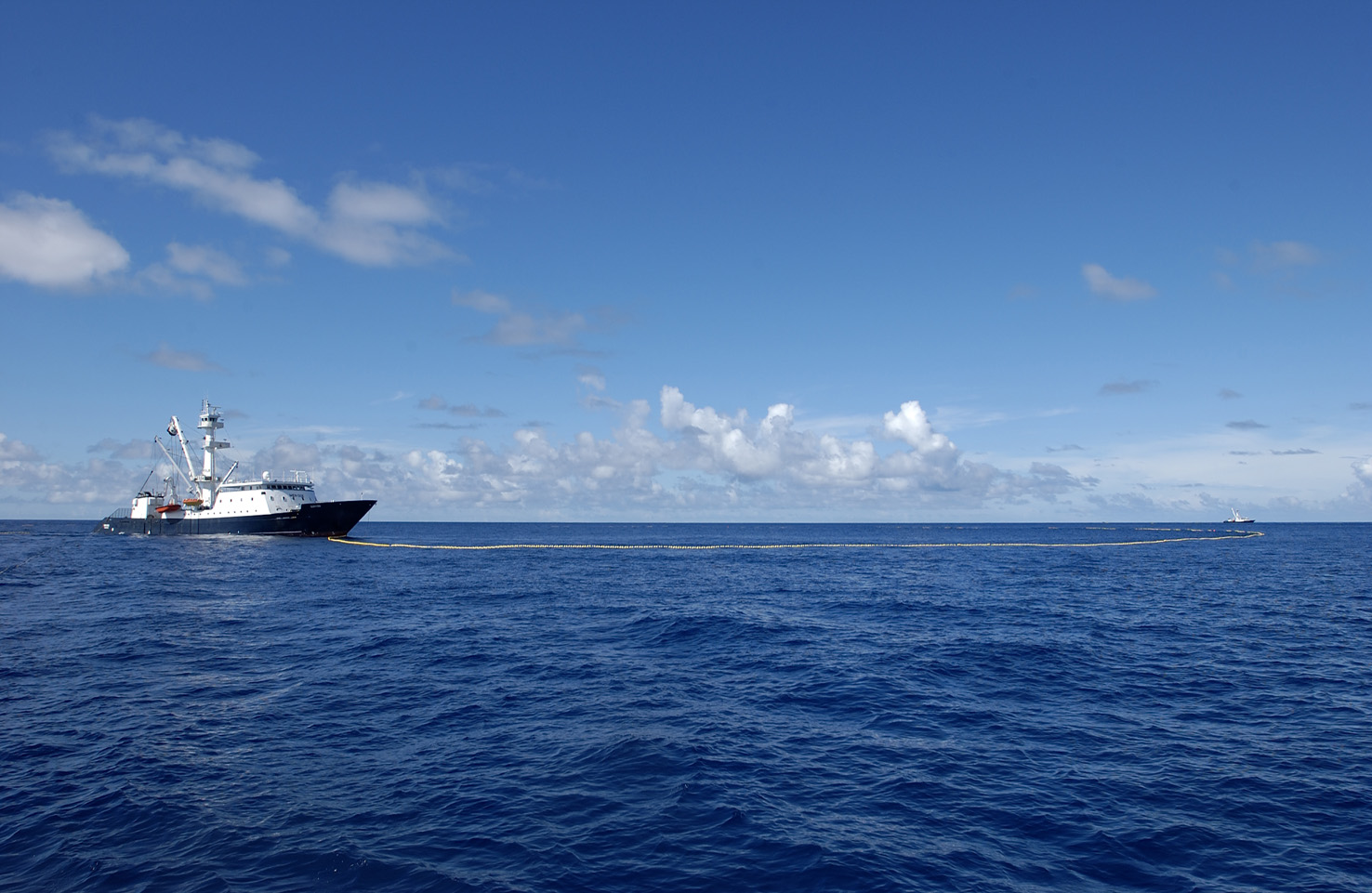
Europêche warned that the EU Atlantic purse-seine fleet has suffered a steep decline, with the number of EU-flagged vessels falling by 62%—from 21 in 2016 to 8 in 2025. It identified the FAD moratorium as a key factor behind the fleet’s contraction and called for its removal, arguing that its biological benefits remain negligible according to science while its economic costs are severe. Ahead of the upcoming ICCAT negotiations, Europêche also called for a yellowfin tuna TAC, an increase in the bigeye tuna TAC, stability for North Atlantic albacore and a workable approach to shortfin mako retention.
On the Western Mediterranean, Europêche called for an urgent, targeted revision of the multiannual plan in line with the Parliament recommendations. Europêche urged the Commission to ensure that the outcomes of the democratically adopted resolution are reflected in the December Council’s decisions on Mediterranean fishing opportunities 2027. It urged the Commission to avoid a repeat of last year’s fishing opportunities process and to recognise the conservation efforts already made by fishers. Europêche called for workable fishing days.
On the energy transition, Europêche highlighted that significant technological, financial and regulatory barriers remain. It urged the Commission to be more ambitious and use the Roadmap to tackle the obstacles identified by the Energy Transition Partnership, including rules that prevent vessels from increasing their space onboard to accommodate cleaner technologies.
ENDS
Press contact:
Daniel Voces, Managing Director, Europêche
Tel: +32 489268107
Email: daniel.voces@europeche.org
[1] Sustainable Management of External Fishing Fleets regulation (Regulation (EU) 2017/2403)